Master Thesis

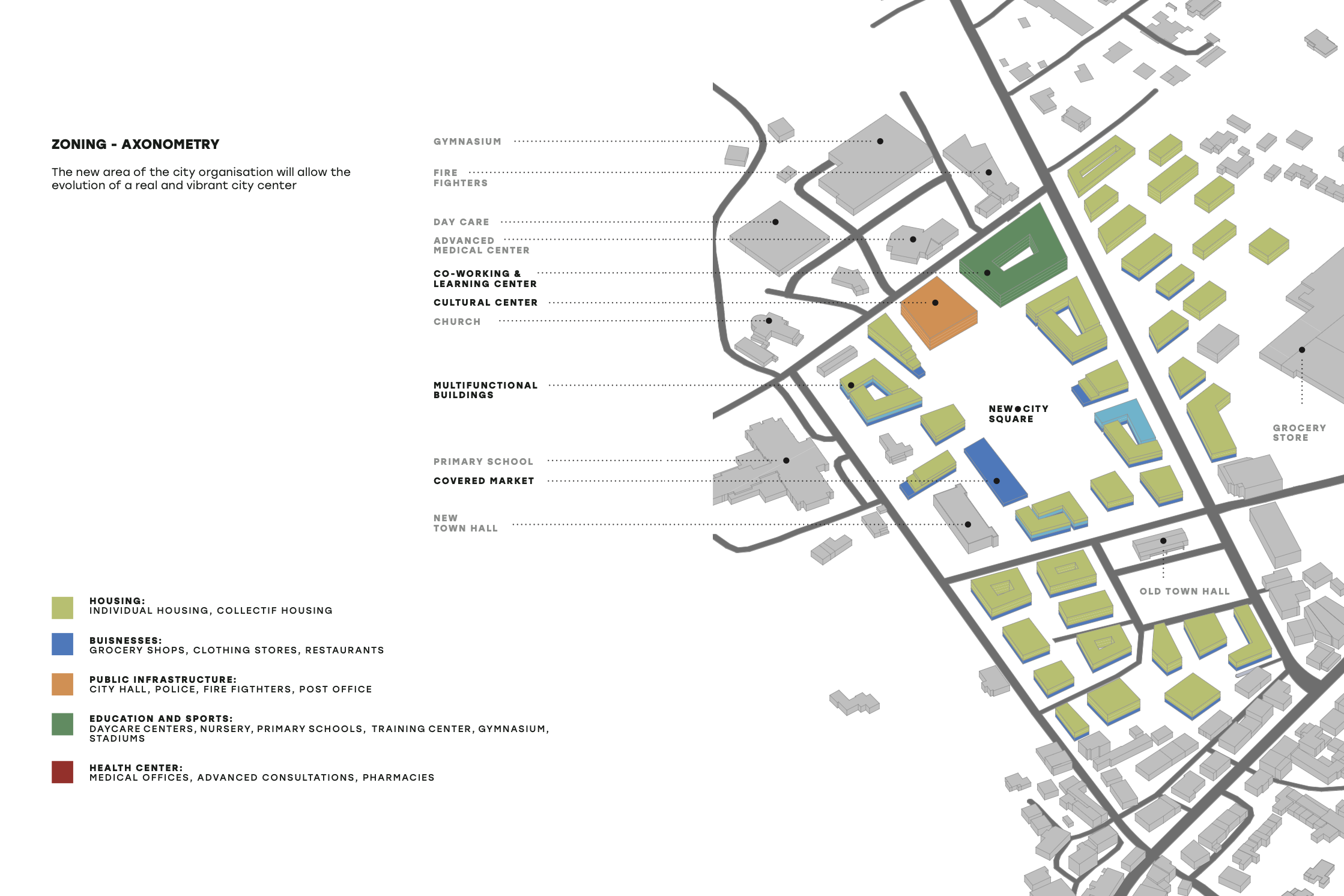
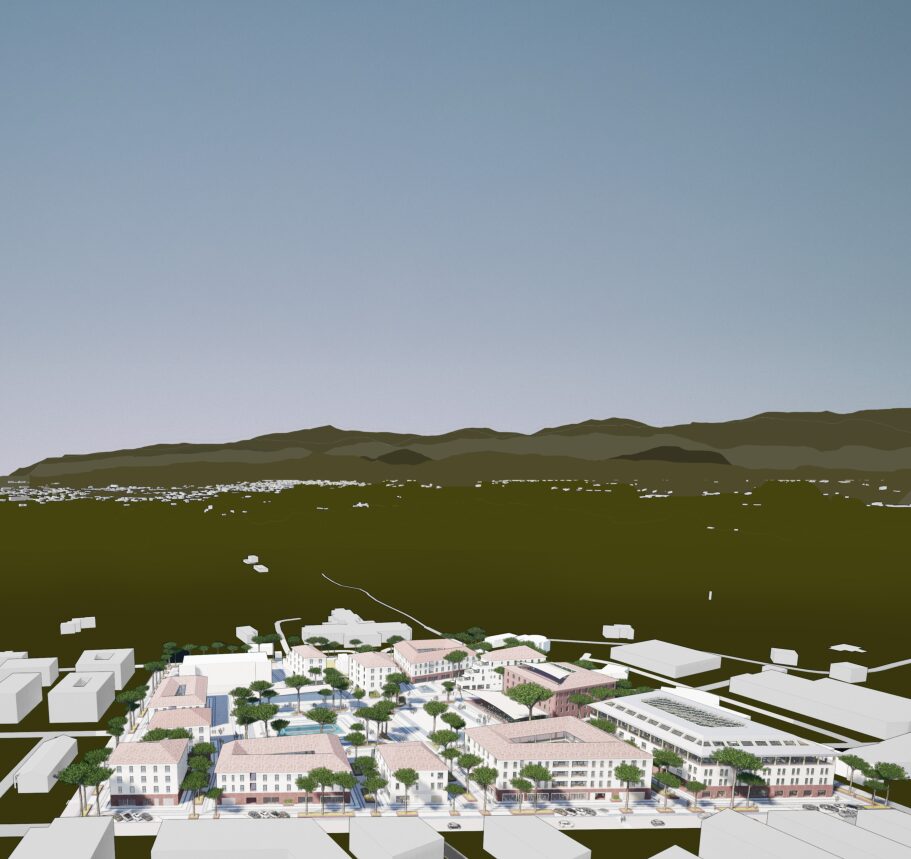
The Master Thesis explores the creation of a new city center for Ghisonaccia, a small town on the eastern coast of Corsica that has grown without a clear urban core. The project proposes a step by step urban strategy based on plot geometry, combining public space, mixed-use buildings, cooperative housing, and cultural and educational facilities. Rather than a rigid masterplan, the thesis presents an adaptable framework where architecture acts as a catalyst for social life, economic activity, and long-term urban identity.
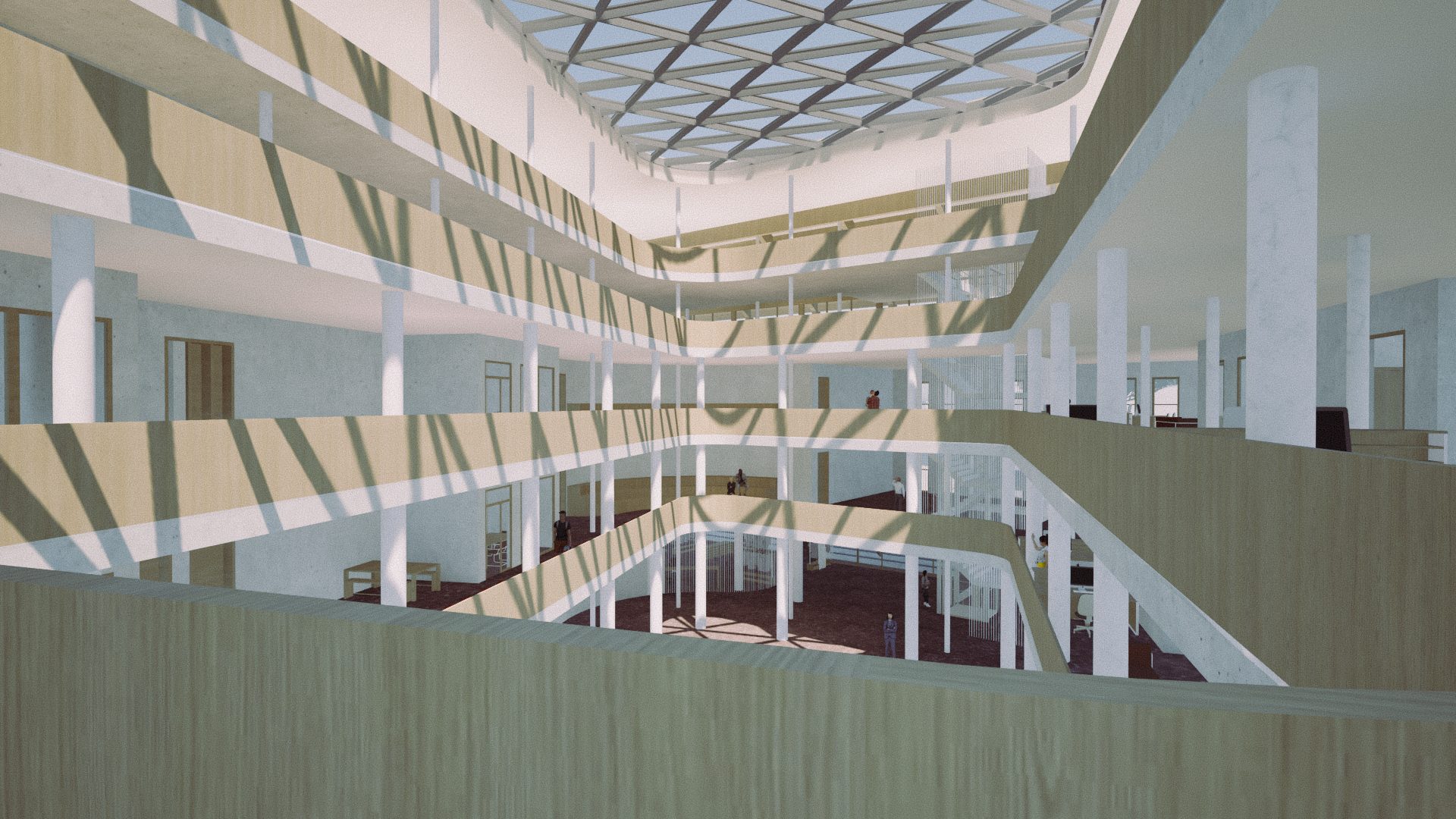
co-working & learning center

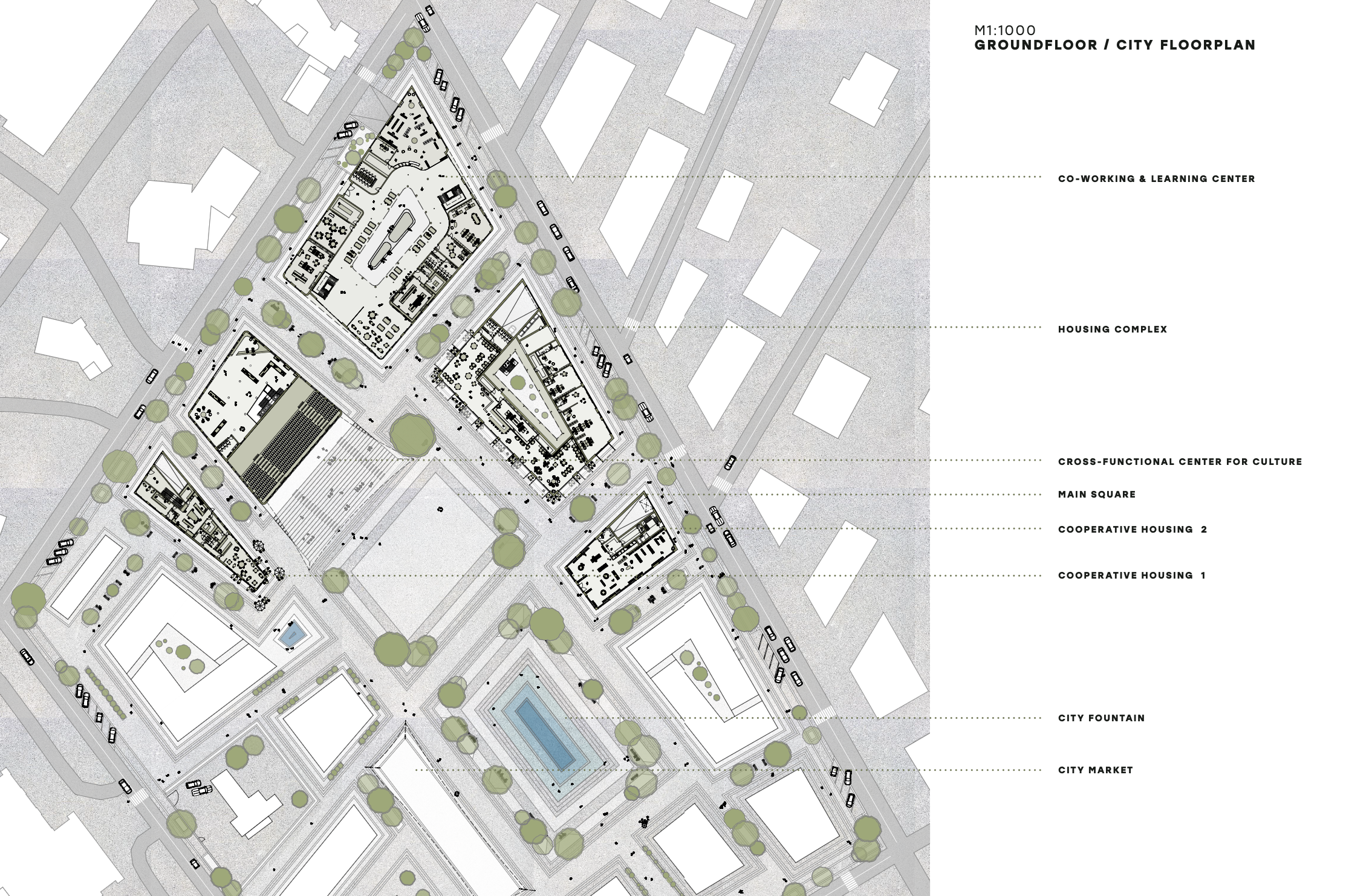
The co-working and learning center acts as the driving force of the new city center, bringing together work, education, and public life. It provides flexible workspaces, training facilities, and shared areas designed to support local businesses, attract remote professionals, and foster exchange within the region.

Atrium

At the heart of the co-working and learning center lies a large atrium that organizes the building and connects its different functions. Flooded with natural light and naturally ventilated, it acts as a shared internal space, a place of encounter, exchange, and orientation, extending the idea of collective work and learning into the architecture itself.

Cooperative house 1

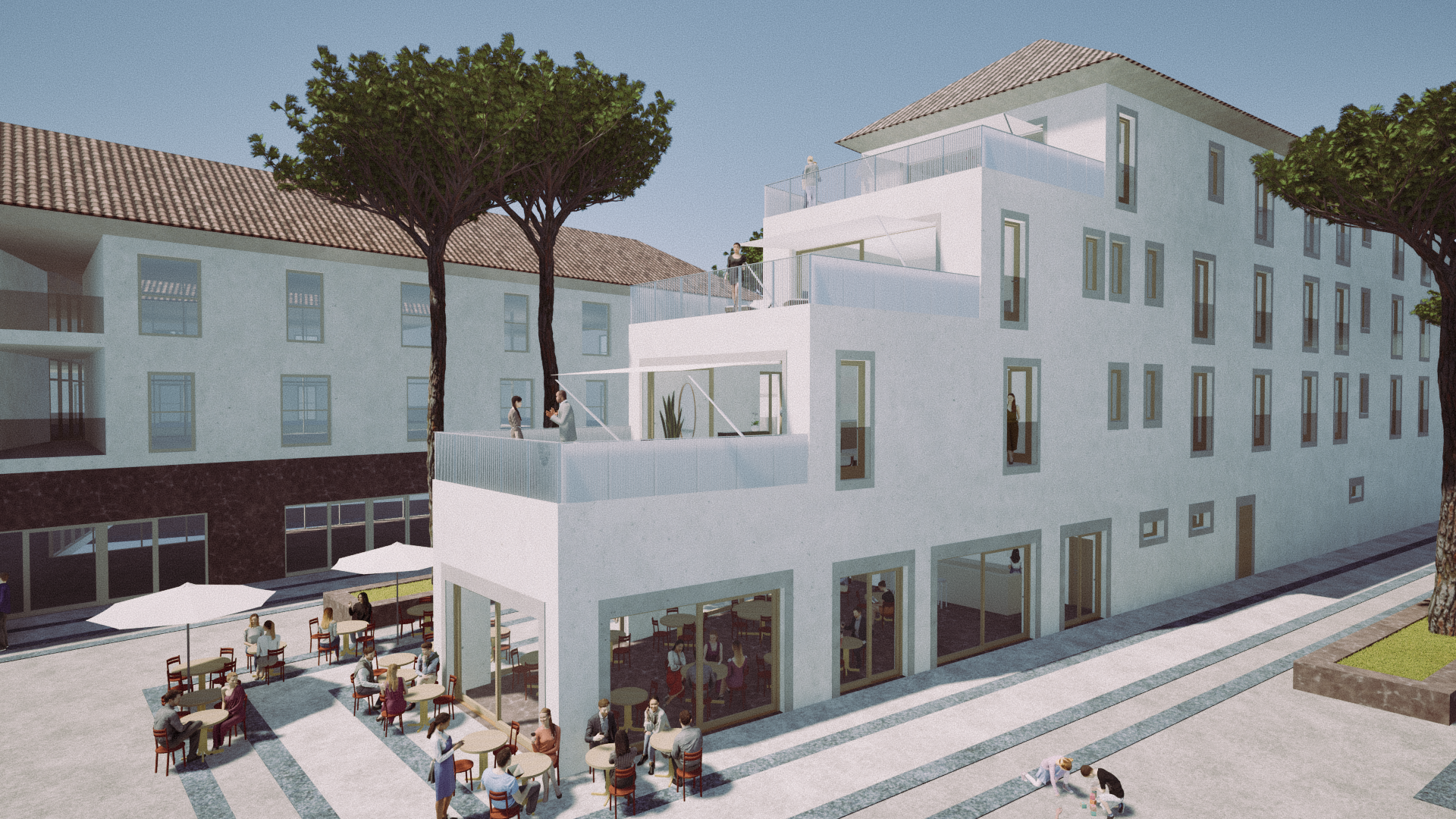
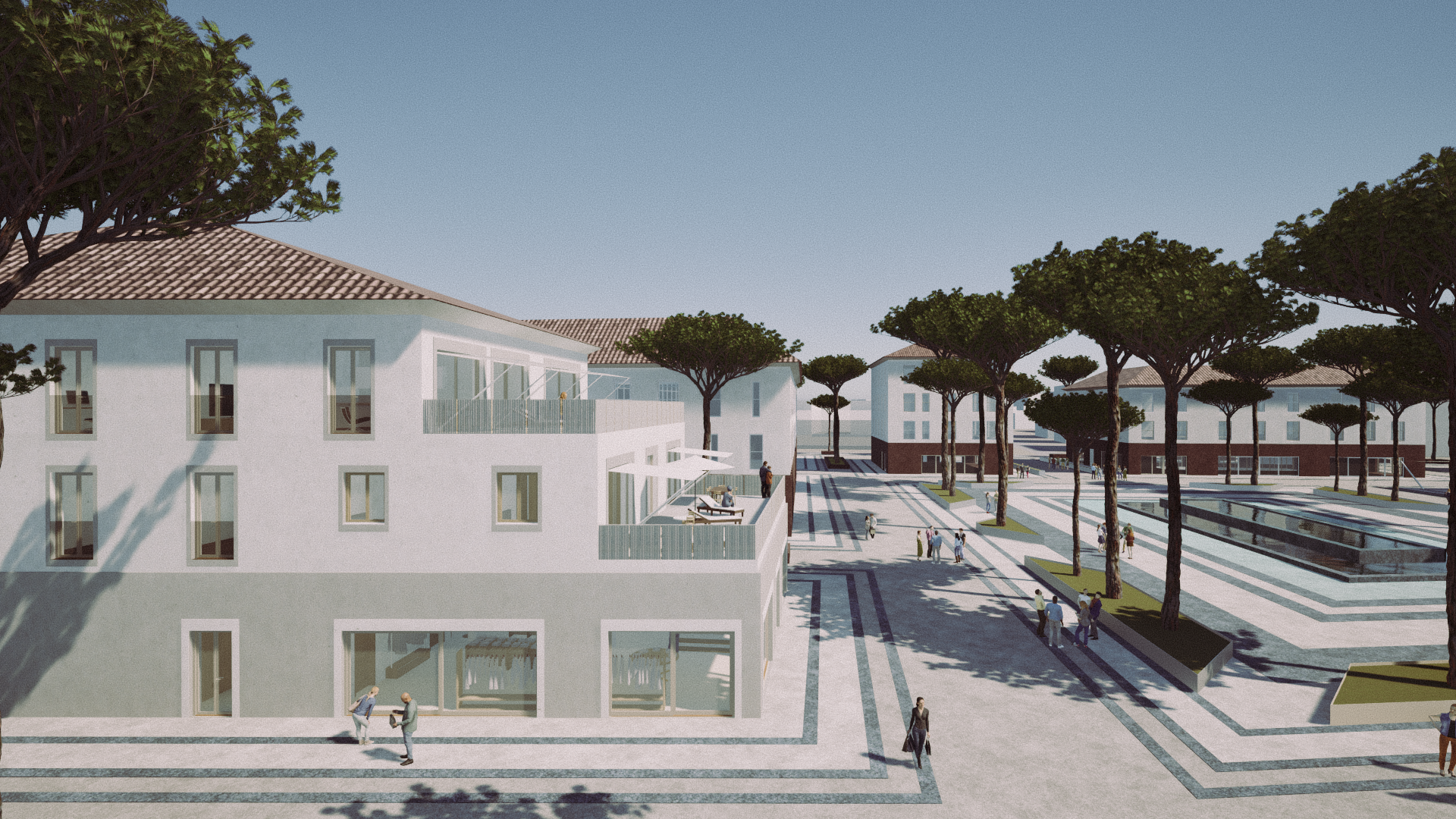
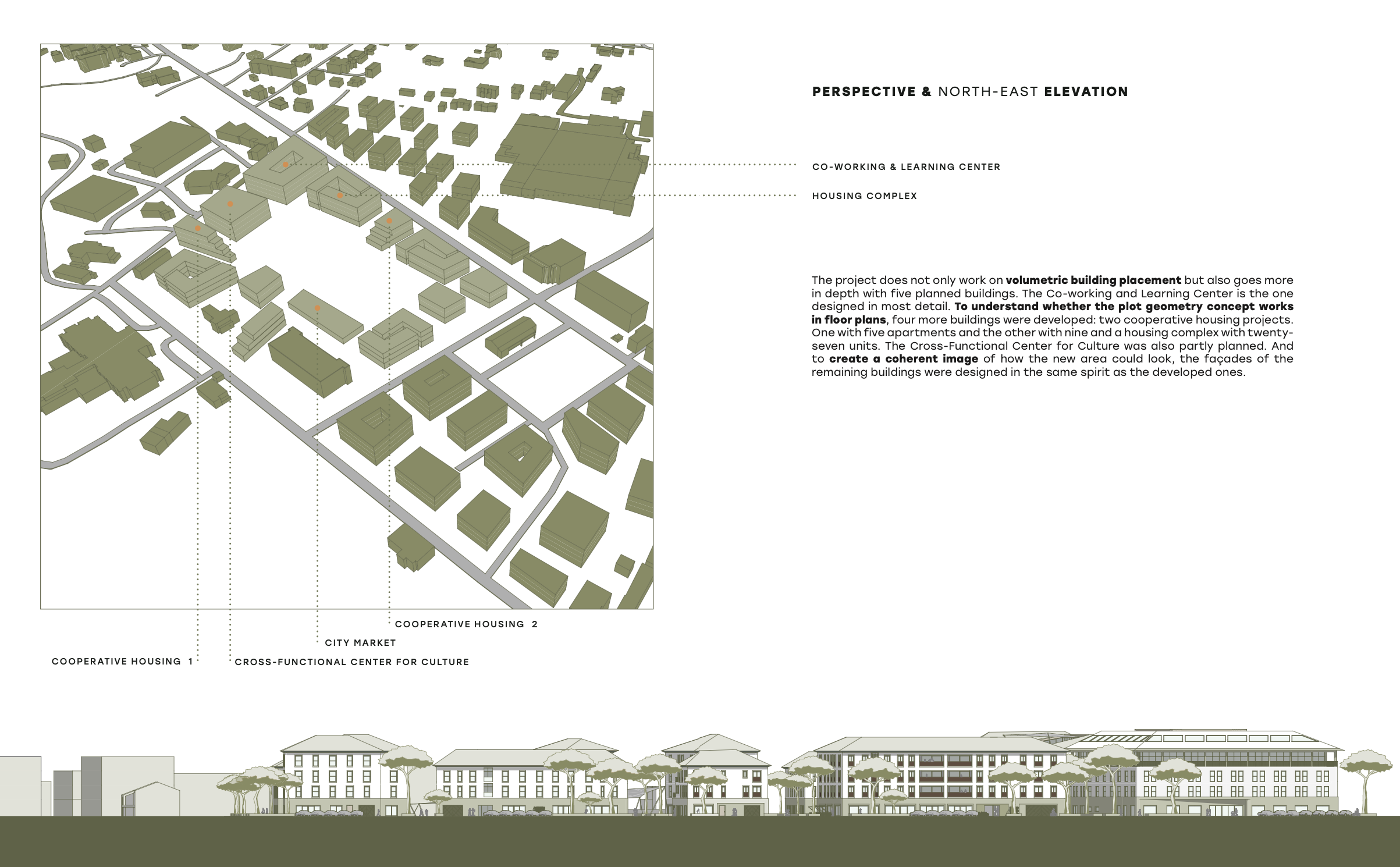
This multi-storey cooperative housing building integrates a bakery and a restaurant on the ground floor, activating the street and the public realm. The upper floors accommodate generous apartments with private terraces, combining shared urban life at street level with comfortable living spaces above.

Cooperative living

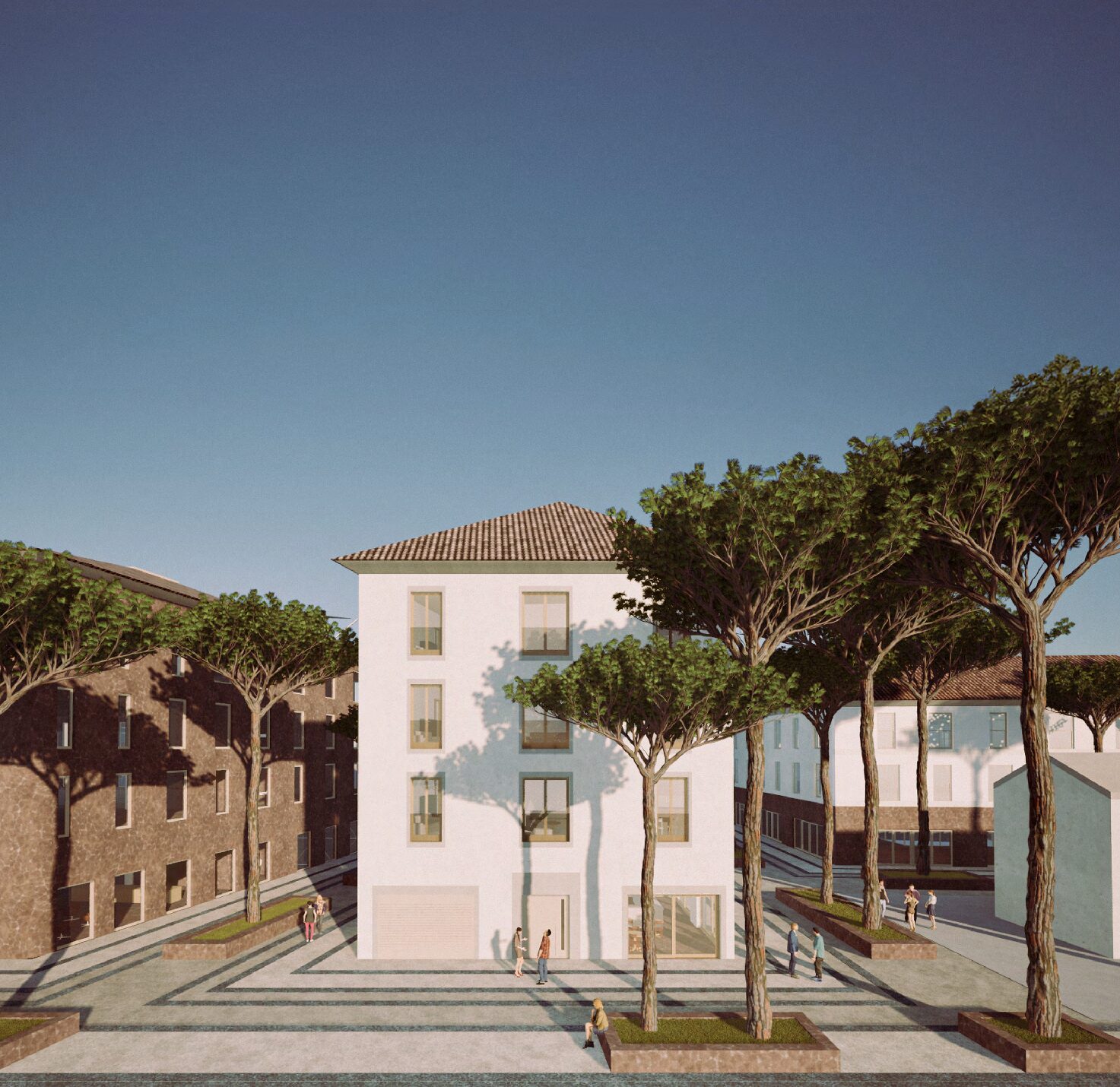
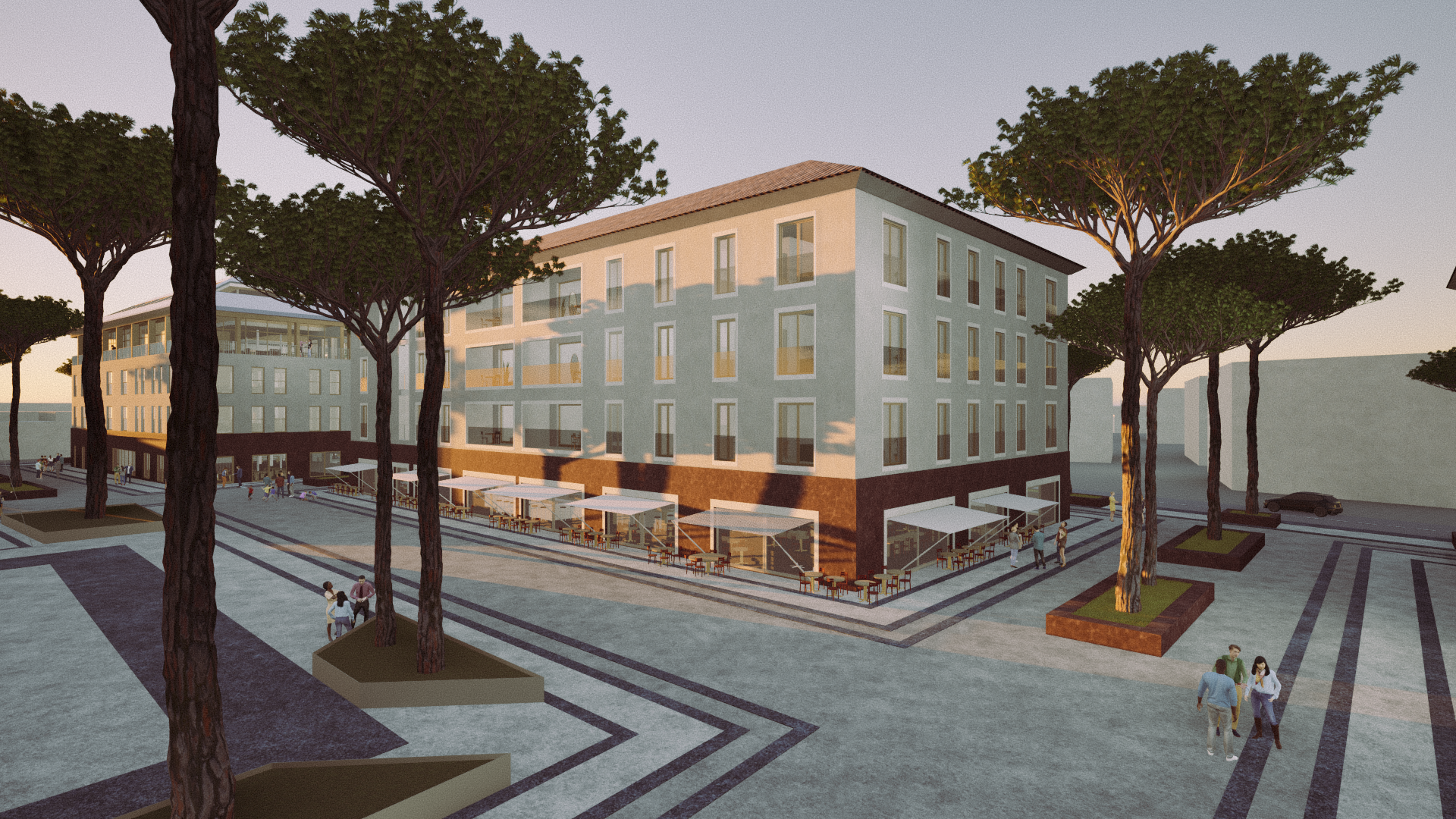
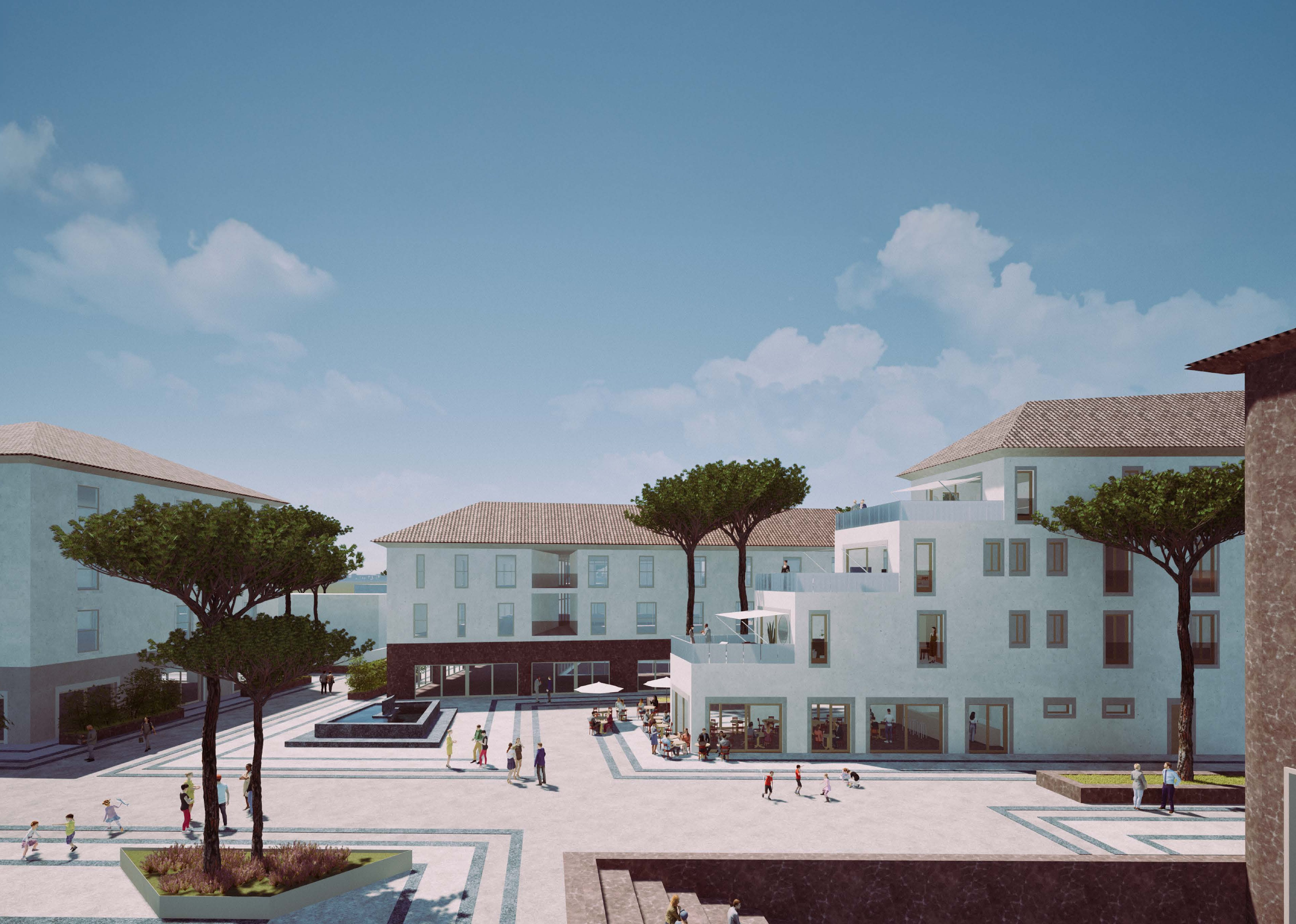
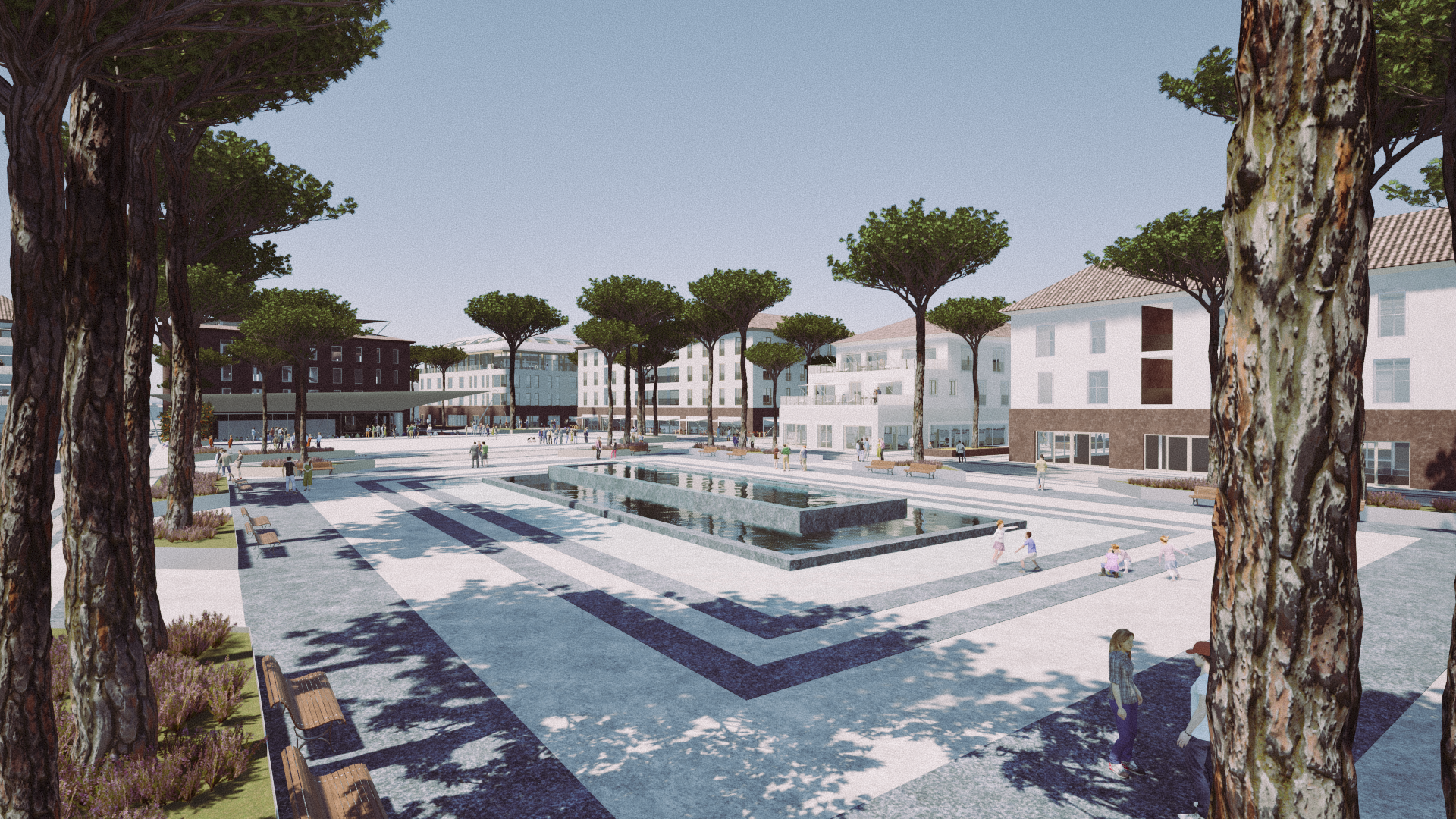
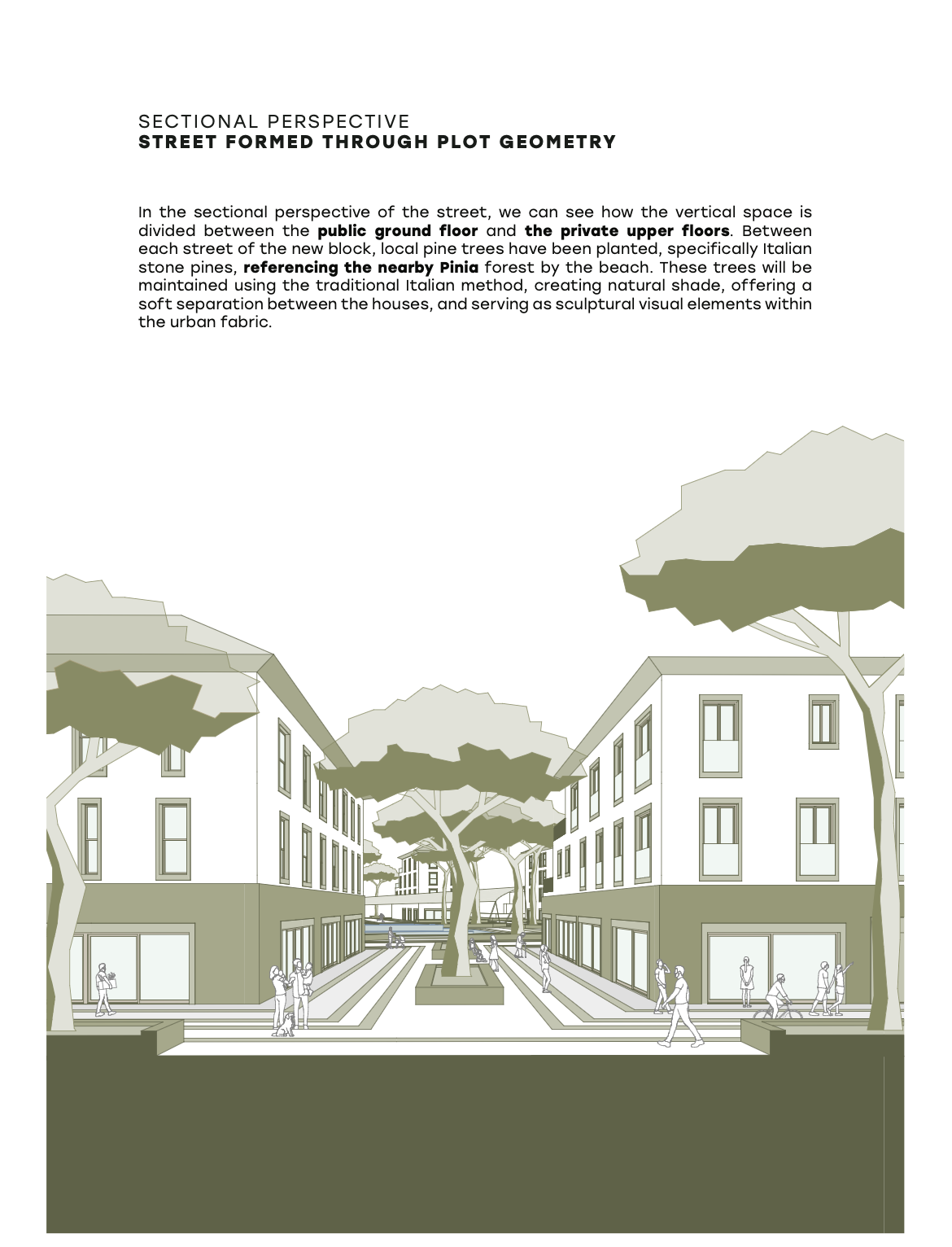
Each building is framed by Italian-cut pine trees, creating shaded, clearly defined urban rooms. The streets between the houses are exclusively pedestrian, prioritizing slow movement, social interaction, and a car-free public realm.

Cultural center

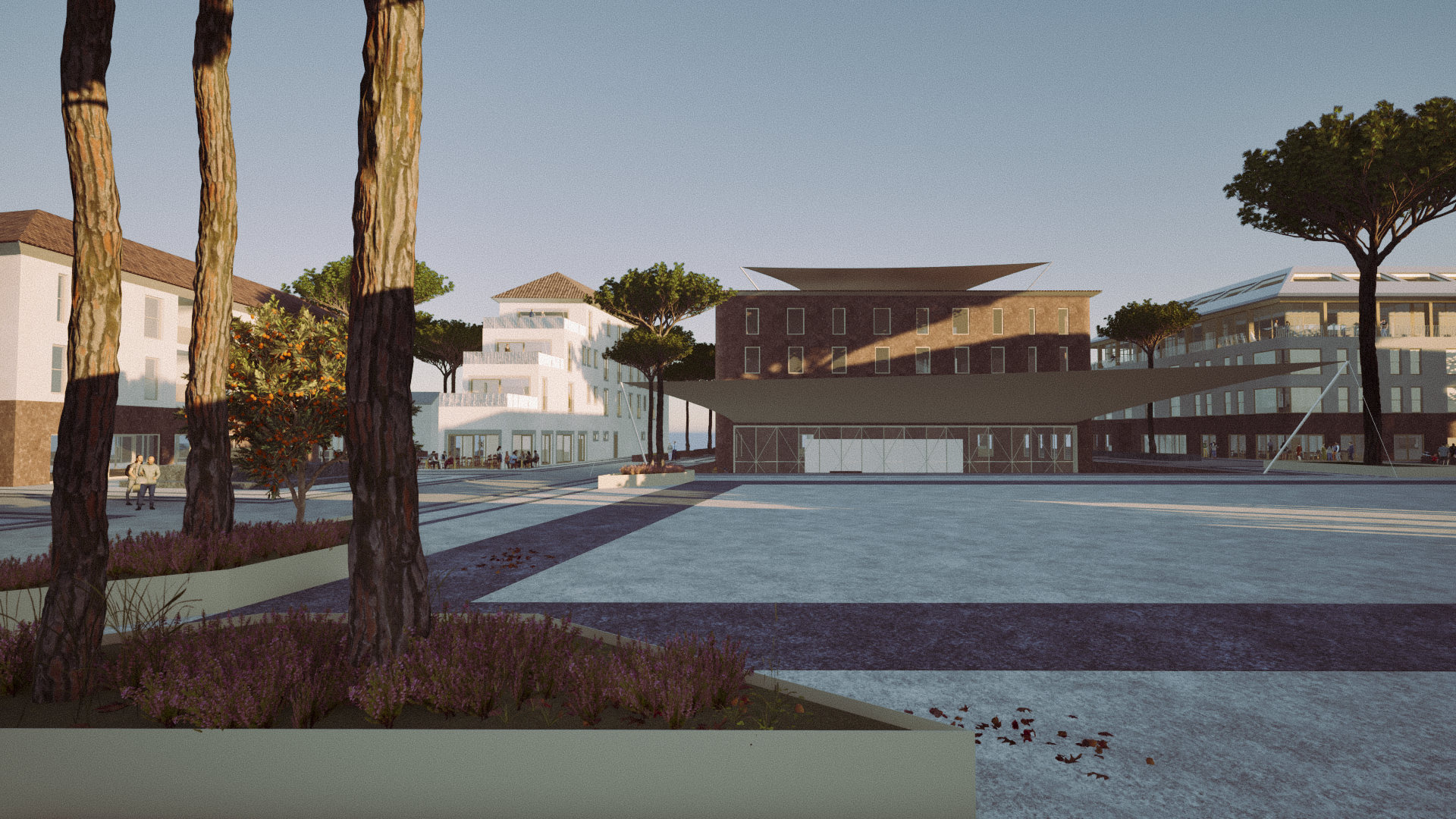
The cultural center is conceived as the living room of the town center, a shared space for culture, gathering, and everyday encounters. With its flexible program and strong connection to the surrounding public space, it extends urban life beyond the street and offers a place where the community can come together throughout the year.

Modulable theater

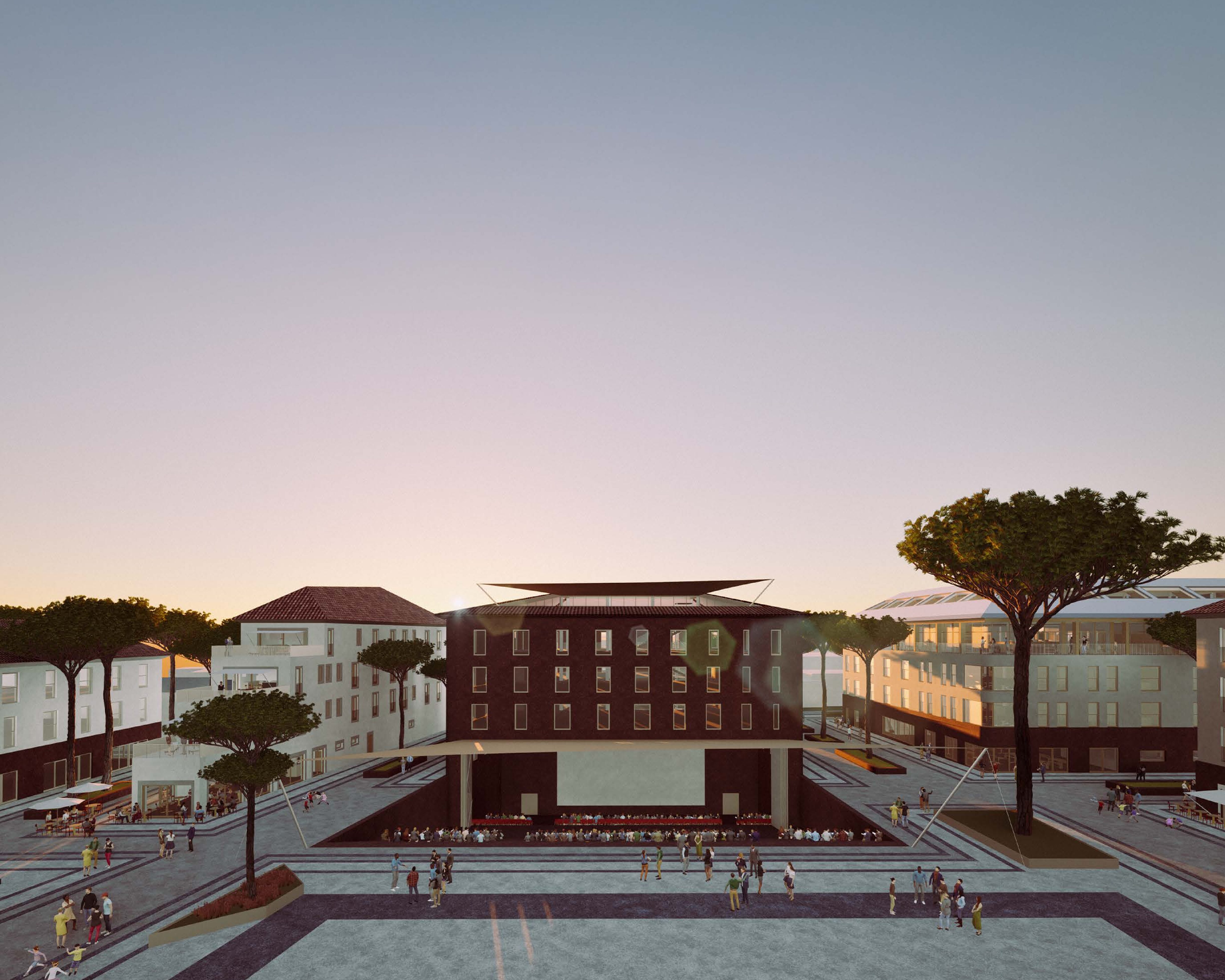
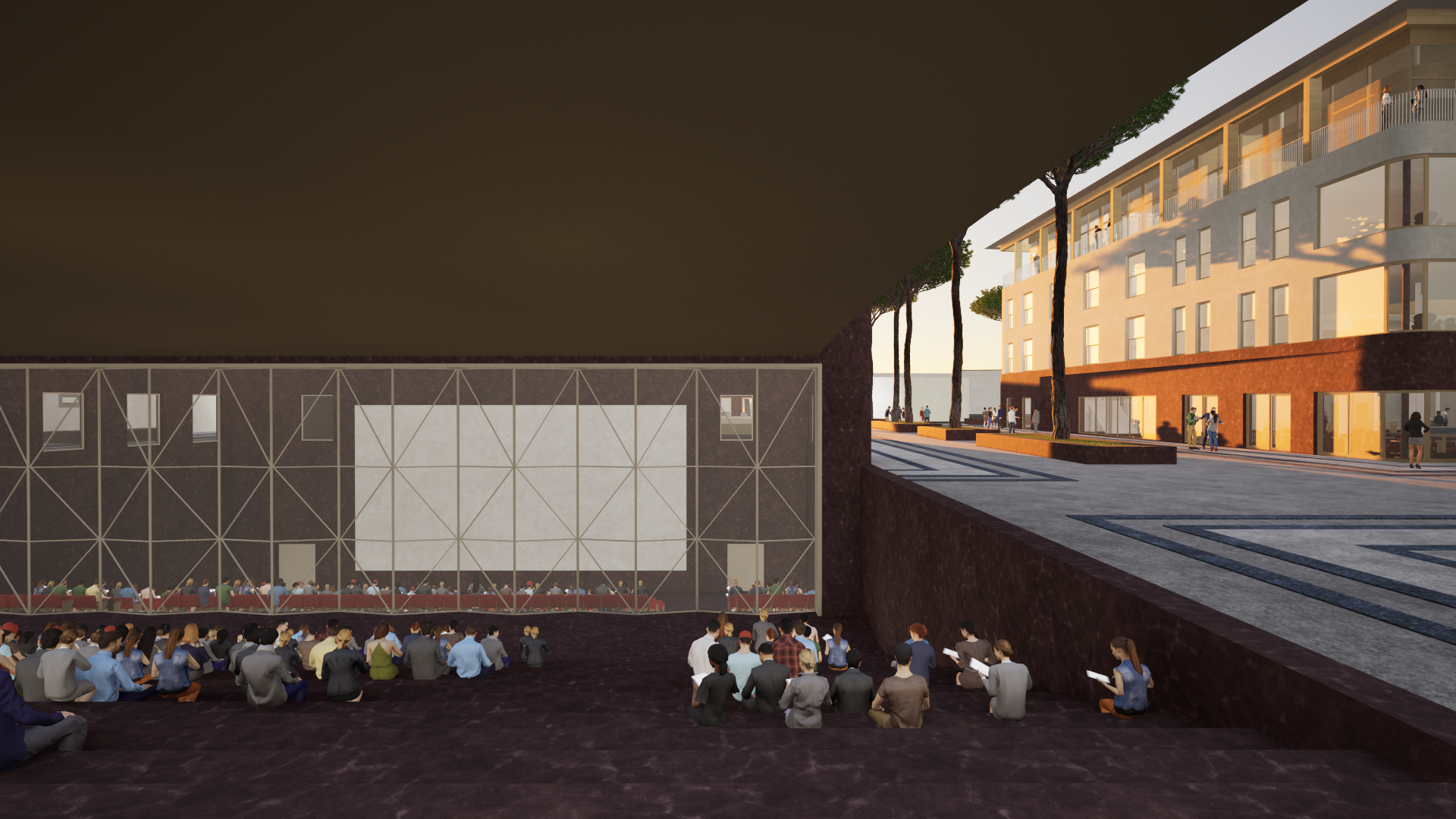
This flexible auditorium is designed to accommodate multiple cultural uses, functioning as a theatre, cinema, lecture hall, and concert space. Through movable seating, blackout systems, and an opening façade, the space can transform into an open-air venue, allowing it to adapt to different events, seasons, and scales of public life.

Square

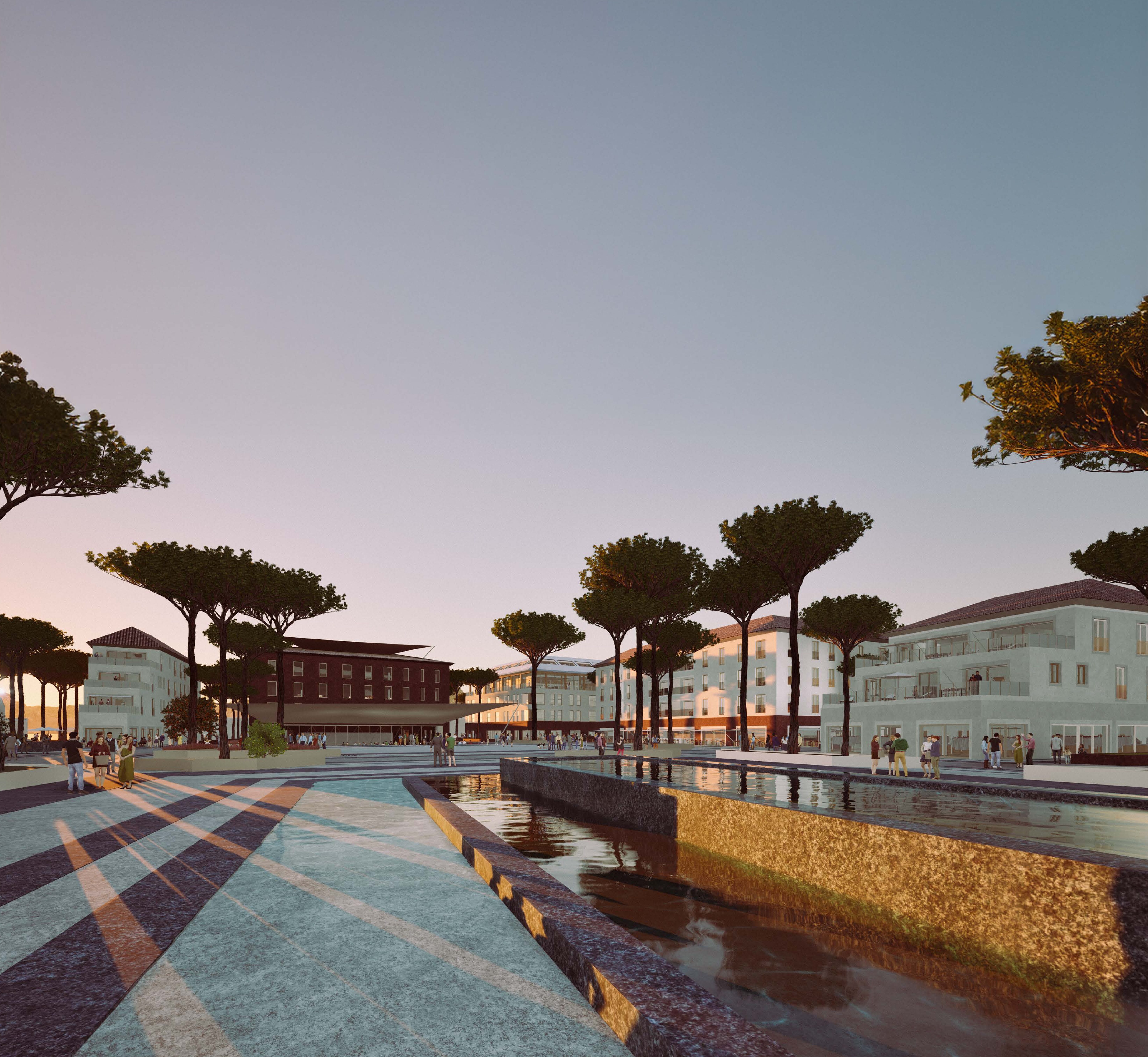
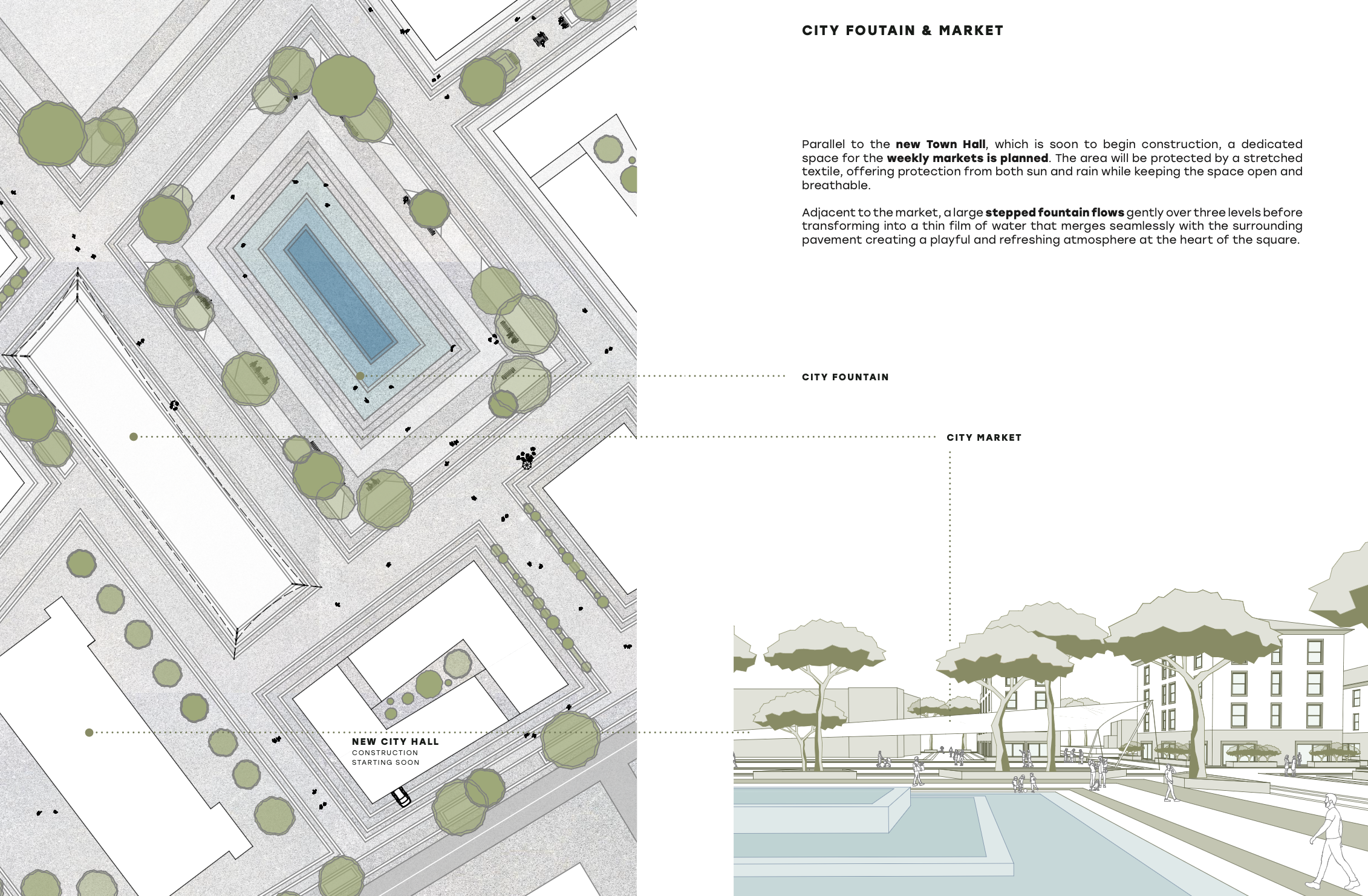
The central square is conceived as an open, flexible public space rather than a fixed program. Framed by active ground floors and shaded by trees, it functions as a place for everyday use as well as events, markets, and gatherings, becoming the social heart of the new city center.

Cooperative house 2

This smaller cooperative housing building combines a shop on the ground floor with five apartments above, contributing to an active and diverse streetscape. The compact scale reinforces a close relationship between living and working, while shared ownership encourages long-term engagement with the neighborhood.

Housing complex

This housing complex accommodates 27 apartments alongside a restaurant and office spaces on the ground floor, contributing to a dense and mixed-use urban fabric. Offering a more conventional housing model, it complements the cooperative buildings by providing flexible living options within the city center.

water Fountain

The fountain acts as a climatic and social element at the heart of the square. Flowing across multiple levels and gradually dissolving into the pavement, it cools the surrounding space, invites interaction, and becomes a playful focal point for everyday life.

town geometry

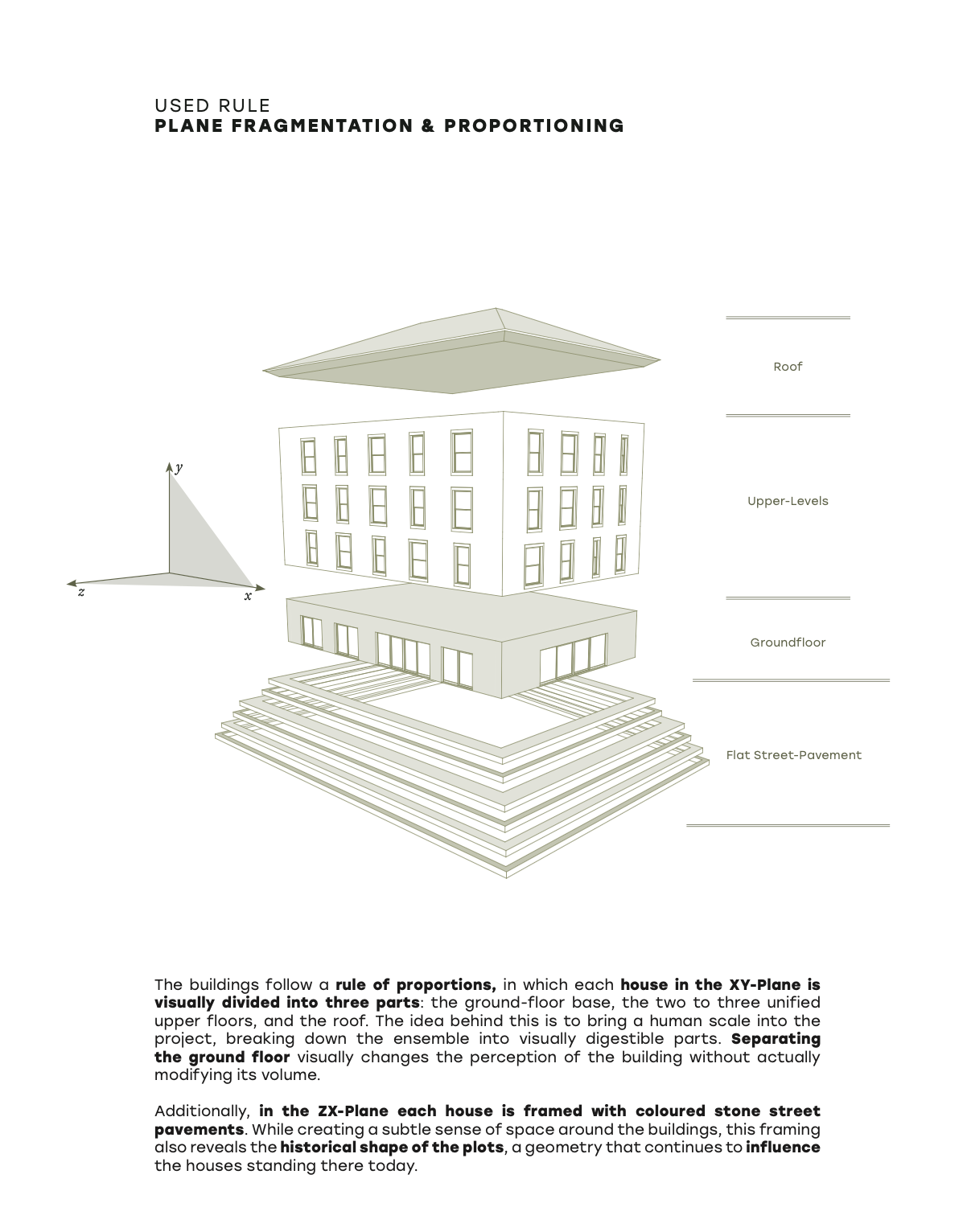
The identity of the new town center emerges from the geometry of its plots. Each building follows the specific shape of its parcel, generating subtle variations that shape streets, squares, and in-between spaces. Together, these differences create a unique urban fabric, where public space is defined not by uniformity, but by the precise relationship between buildings and the spaces they form.

New town center

programming
House proportioning

Streets
Dive deeper into the project in the book below.